Congratulations to Kelley & Hall author W. Mahlon Purdin on his recent coverage in the Wall Street Journal on HopePunk and UpLit.
Congratulations to Kelley & Hall client Michael Zadoorian on the recent success of his novel THE LEISURE SEEKER. His critically acclaimed novel was adapted for film and starred Donald Sutherland and Helen Mirren. Mirren received a Golden Globe nomination for her portrayal of Ella Robina. Zadoorian's latest book, BEAUTIFUL MUSIC, was selected as an Oprah Magazine Top Book of Summer.
Kelley & Hall now offers extensive consulting services for new and established authors hoping to increase their media presence, build their platform and have a stronger understanding of the publishing industry and process.
Lori Lansens takes part in interview with Emma Donoghue on CBC Radio
Read the first two chapters of Brunonia Barry's new novel The Fifth Petal
Congratulations to our client Lisa Genova on the BEST ACTRESS OSCAR win for Julianne Moore in STILL ALICE.
Congratulations to our client JJ Partridge on the STARRED Publishers Weekly Review.
Congratulations to our client Lisa Genova on the recent release of STILL ALICE at the Toronto Film Festival. Let the Oscar Buzz begin!
Congratulations to our client Lisa Genova on the recent news of award-winning actress Julianne Moore signing on for the lead role in STILL ALICE. The film adaptation is scheduled to begin filming mid-February in New York.
Everyone at Kelley & Hall is heartbroken at the passing of bestselling author Michael Palmer, a man we had the extreme privilege of working with and the honor of calling a friend.
What Color is Monday? by Carrie Cariello Picked as the Perfect Book for Autism Awareness Month by Parents Magazine.
Carrie Cariello Featured on Fox News Talking About Autism.
Fight Song by Joshua Mohr reviewed in SF Chronicle and LA Times Book Review.
Check out Joshua Mohr in Interview Magazine.
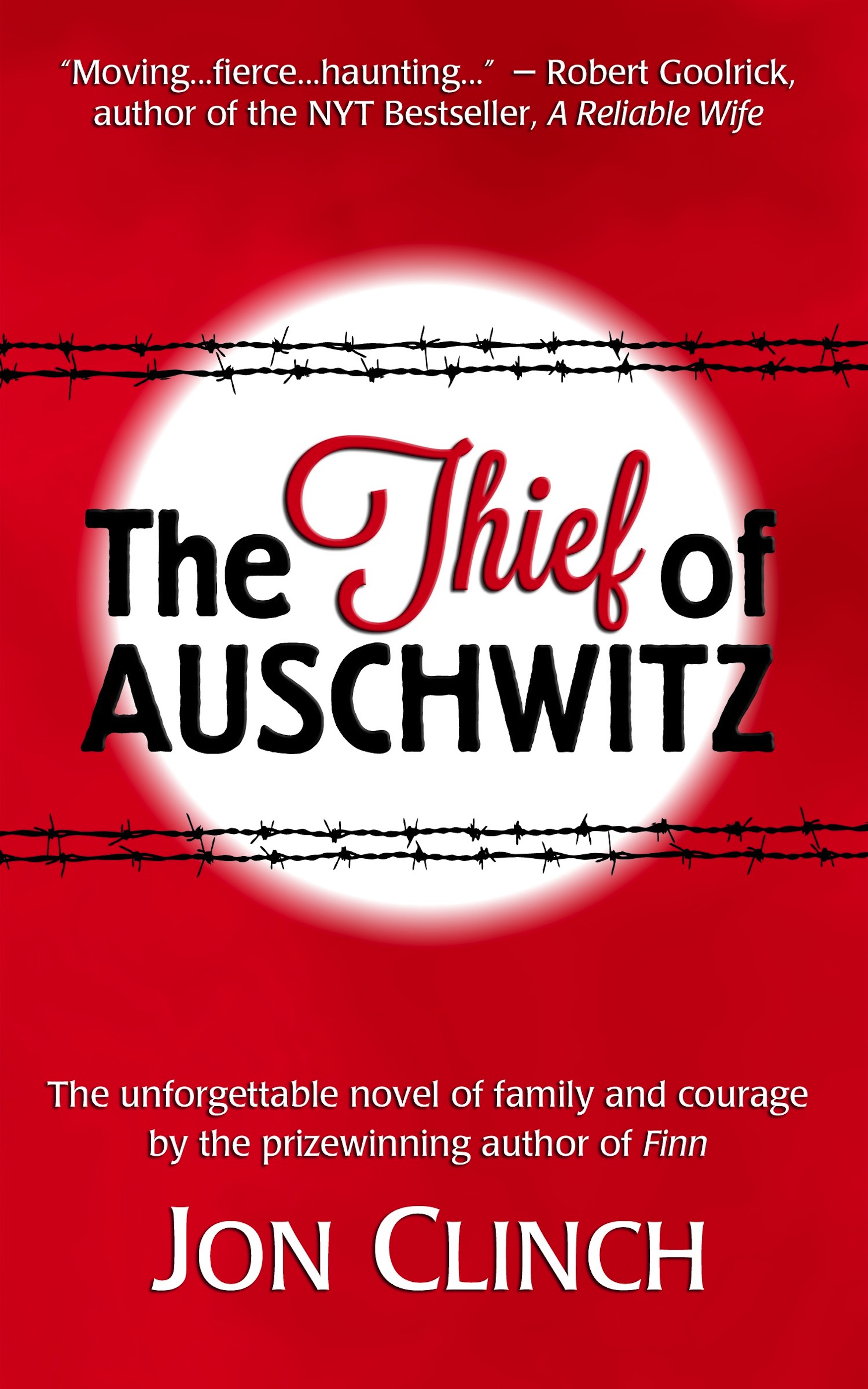
Great review for Jon Clinch in Foreword Magazine.
Michael Hurley's Once Upon A Gypsy Moon picked as a must read by Practical Sailor Magazine
Genese Davis writes about New Adult Fiction for Publishers Weekly
Diana MacFarland talks about her new book CODENAME WILDCARD on Fox and Friends
Jocelyn Kelley is interviewed by Strategy Magazine
Kelley & Hall client, Leslie Hall Pinder, receives starred Publishers Weekly Review
Jocelyn and Gloria Kelley were interviewed on Boston's #1 radio program, Matty in the Morning (Kiss 108 FM), about their trip to Australia with Oprah Winfrey. MORE
Jocelyn Kelley has appeared a number of times on The Oprah Winfrey Show and webcasts as Oprah’s Book Club correspondent. Most recently Jocelyn appeared with CNN’s Anderson Cooper to discuss Say You’re One of Them with author Uwem Akpan. MORE
Fredrik Colting has selected Kelley & Hall as the publicity team for his controversial novel, 60 Years Later: Coming through the Rye (Windupbird Publishing). JD Salinger has attempted to block the publication in this country and a decision in the Appeals Court has not yet been made. The New York Times, Associated Press, Gannett, and Tribune, as well as librarians, free speech advocates, and legal scholars are urging the Appeals Court to overturn the injunction barring US publication of 60 Years Later. MORE
Kelley & Hall worked as the publicist for Brunonia Barry’s originally self-published novel, The Lace Reader. We helped to secure coverage that eventually led to a multi-million dollar deal with William Morrow. MORE
Lisa Genova, self-published author of Still Alice, credits K&H for getting her book noticed by national media, which resulted in a six-figure book deal. MORE
The coverage that Kelley & Hall secured for Lori Culwell’s iUniverse novel, Hollywood Car Wash, helped her land a publishing contract with Touchstone/Fireside. MORE
Lev Grossman's article on book publishing in the January 21, 2009 issue of Time magazine features our client Lisa Genova, author of Still Alice. The article also mentions another of our self-published authors, Brunonia Barry, who wrote The Lace Reader. MORE
The March/April issue of Writer's Digest features an interview with Brunonia Barry, author of The Lace Reader. In this article she credits Kelley and Hall as being instrumental in getting the media attention which led to her multi-million dollar publishing deal with William Morrow. MORE